
Kids don’t always have the words to explain what’s going on in their bodies. Instead, discomfort can show up as trouble settling, tension, poor sleep, headaches, jaw tightness, or a child who seems “on edge.” In many cases, the nervous system is simply working hard to keep up.
Craniosacral therapy is a gentle, hands-on treatment that may support comfort, regulation, and recovery for infants, toddlers, and older children.
Here’s everything you need to know about craniosacral therapy for children.
How Craniosacral Therapy Treatment Works
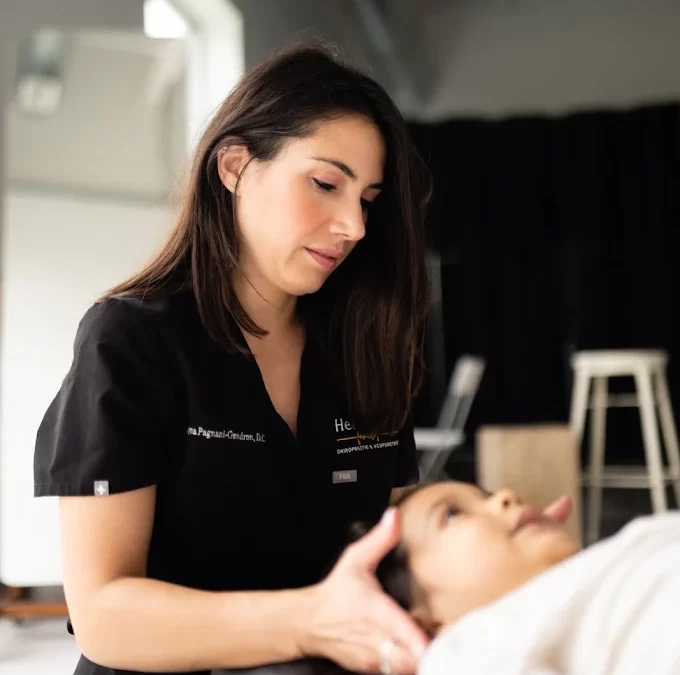
Craniosacral therapy treatment involves applying gentle touch or pressure to the head, neck, and spine.
In children, tension can build in the body’s connective tissues after growth spurts, falls, dental work, sports, or even a challenging birth. When connective tissues tighten, it may affect how cerebrospinal fluid moves around the brain and spinal cord. Craniosacral therapy helps ease that tightness.
When this fluid flows without restriction, your child’s nervous system can communicate more smoothly. Messages travel through the body with less restriction, helping the system achieve a more balanced state (homeostasis).
Craniosacral Therapy Benefits for Children
When a child’s nervous system is stuck in a “high alert” state, you may notice changes in sleep, mood, movement, and how they handle everyday demands. Craniosacral therapy may support your child by helping the body settle and regulate.
Other benefits may include:
- Reduced physical tension
- More restful sleep
- Fewer tension-related headaches
- Improved mood and resilience
- Better focus at school or during activities
- Support with recovery after physical stress (falls, bumps, sports strain)
For many families, these benefits build gradually over multiple sessions, especially if symptoms have been present for a while.
Craniosacral Therapy for Emotional Regulation and Settling
Big feelings are part of childhood, but some kids seem to stay “revved up” longer than others. You may see frequent meltdowns, difficulty calming after stimulation, restlessness at bedtime, or trouble transitioning between activities.
Craniosacral therapy supports your child’s central nervous system in slowing down. By using gentle touch, it supports the body’s natural ability to calm itself. Over time, this may help children feel more settled in their bodies and more able to handle day-to-day stressors.
Craniosacral Therapy for Comfort and Physical Tension
Children can carry tension in ways that look like:
- Headaches or jaw tightness
- Neck and shoulder tension
- Belly discomfort linked to stress or poor sleep
- Stiffness after a fall or sports strain
- General “tightness” that affects posture or movement
Craniosacral therapy may help ease these patterns by working with areas of restriction and helping the body relax. For many kids, this can support comfort and reduce the physical load their nervous system is managing.
What to Expect During Craniosacral Therapy Treatment
Your practitioner will first review your child’s medical history and any other health conditions that may be contributing to symptoms.
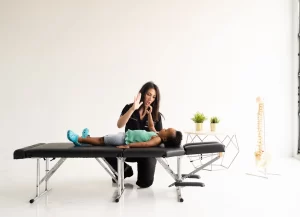
During the session, your child will stay fully clothed and lie comfortably on a padded table in a quiet, private room. Infants can often be held by a parent, and younger kids may take breaks as needed. From there, your practitioner will use very light touch, about the weight of a nickel, on the head, neck, spine, and sacrum (the base of the spine).
A typical session lasts between 30 and 60 minutes. Your therapist will continue working on the body, feeling for areas of restriction and applying gentle techniques to help ease tension and support regulation.
Finding a Certified Craniosacral Therapist

It’s important to choose a licensed therapist with proper training and certification. A good therapist takes the time to explain what they’re doing in parent-friendly terms, answers your questions, and makes sure your child feels safe and comfortable from start to finish.
At HealthPro Chiropractic, our team has the experience and expertise to guide your family safely through each session, especially when working with infants, toddlers, and children who need gentle support for comfort, regulation, and recovery.
Craniosacral Therapy FAQ
Is craniosacral therapy covered by insurance?
Coverage varies. Some insurance plans may cover craniosacral therapy when performed by a licensed provider, like a chiropractor or physical therapist.
Many companies consider it complementary care, so reimbursement isn’t guaranteed. It’s best to check with your insurance provider to verify what’s included under your plan.
How much does craniosacral therapy cost?
Costs vary by provider, location, and session length. Most sessions range from $75 to $150. Some clinics offer packages or include craniosacral therapy as part of broader treatment plans, which can help make ongoing care more affordable.
How often should a child have craniosacral therapy?
It depends on your child’s needs and how long symptoms have been present. Many families start with weekly sessions for about three to five weeks, then taper to biweekly or monthly.
Some concerns improve quickly, while longer-standing patterns may take more sessions over several months.
What does craniosacral therapy feel like for kids?
Most children find it calming and gentle. The pressure is very light. Some kids notice warmth or a subtle sense of relaxation. Others simply rest quietly, chat, or drift off during the session.
Can you do craniosacral therapy on your child at home?
True craniosacral therapy requires a trained therapist. You can use calming routines at home like gentle rocking, consistent bedtime habits, and quiet time, but they can’t fully replace a trained provider’s assessment and hands-on techniques. Sessions with a professional help ensure the right approach for your child’s needs.
Recent Comments