

Craniosacral Therapy has been gaining increasing attention in the health and wellness community, particularly in recent years.
Craniosacral Therapy has the potential to reduce symptoms of chronic pain, improve stress-related conditions, and enhance overall well-being, especially in patients with various musculoskeletal and neurological conditions.
In this article, we will take an in-depth look at what craniosacral therapy is, the conditions it can help with, how it works, and more to help determine whether it’s right for you.
What Is Craniosacral Therapy?
Craniosacral therapy (CST) is a holistic, alternative therapy that focuses on the craniosacral system, which includes:
- The cranium (bones of the head)
- The sacrum (tailbone)
- Cerebrospinal Fluid (CSF) surrounding the vertebrate brain and spinal cord
- Membranes that extend between the cranium and sacrum, enveloping the brain and spinal cord
Craniosacral therapy is gentle and non-invasive, suitable for infants, children, pregnant women, and those who suffer from injury.
The goal is to restore balance to the central nervous system, release tension, and boost the body’s natural healing processes.
How Does Craniosacral Therapy Work?

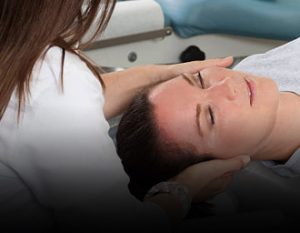
Craniosacral therapy uses gentle pressure on the neck, head, and back to relieve the pain and stress caused by musculoskeletal tightness.
During a craniosacral therapy session, you are typically lying down on a massage table in a position that is comfortable for you.
Practitioners place their hands lightly on a patient’s body, with a pressure of no more than about five grams (the weight of a nickel), and look for areas that feel tight or imbalanced. They then apply gentle techniques to help release restrictions in the craniosacral system.
Craniosacral Therapy Benefits
Here are the primary benefits of craniosacral therapy:
Easing Bodily Pain & Tension
Craniosacral therapy can provide pain relief and decrease muscle tension in the neck, back, and head areas, according to studies. This makes it particularly useful for those experiencing chronic pain, neck pain, lower back pain, migraines, and fibromyalgia (widespread body pain).
Increasing Mobility
Craniosacral therapy restores balance and releases blockages in the craniosacral system, improving overall flexibility, range of motion, and ease of movement.
Decreasing Stress
Many people partake in craniosacral therapy even if they don’t experience pain because it’s relaxing.
CST activates the parasympathetic nervous system, a network of nerves that relaxes the body after a period of stress or danger. CST essentially shifts the body out of “fight or flight” mode and into a more restorative, parasympathetic state.
Improving Nervous System Function
CST supports central nervous system function by enhancing the flow of cerebrospinal fluid and reducing tension around the brain, spinal cord, and nerves.
This helps the body process information more effectively, balance hormones, and regulate stress responses, leading to better sleep, improved focus, and reduced anxiety.
Injury Recovery
Since it’s non-invasive and uses light pressure, CST can benefit those going through trauma recovery from injuries caused by accidents, surgeries, or repetitive strain. It can help reduce inflammation and release tension in the tissues surrounding the injury to provide pain relief.
Conditions Craniosacral Therapy Can Help With
Craniosacral Therapy is often used alongside other treatments to support the body’s natural healing process and recovery. Here are some common conditions that CST can help with:
Craniosacral Therapy for Migraines And Headaches
Many people use CST to relieve headaches and migraines. A 2022 randomized controlled trial backs up this claim, finding that CST has significantly reduced the intensity of migraines and how often they occur in patients suffering from chronic migraines.
Craniosacral Therapy for Tinnitus
Tinnitus is a condition wherein a person hears a ringing noise in one or both ears. CST may offer relief to individuals suffering from the condition, particularly when it’s linked to trauma, stress, or musculoskeletal issues like TMJ dysfunction or neck problems.
CST can reduce the body’s heightened response to auditory information, easing tinnitus-related symptoms. It doesn’t fix the condition since tinnitus has no known cure, but it does make it more manageable.
Craniosacral Therapy for Anxiety And Depression
CST is reported to promote deep relaxation and activate the parasympathetic nervous system, which may help reduce symptoms of anxiety and depression. It can relieve stress and improve emotional well-being.
Craniosacral Therapy for Chronic Pain Conditions
CST can alleviate various chronic pain conditions like fibromyalgia, neck pain, and low back pain. Studies found that by releasing fascial restrictions and improving nervous system balance, CST can reduce pain intensity and improve quality of life.
People who suffer from extreme pain can also benefit from CST because it’s extremely gentle and non-invasive, so much so that it’s suitable for newborns and infants.
Craniosacral Therapy for Scoliosis
CST doesn’t improve spinal alignment; practitioners who claim it can are widely overstating its benefits. However, it does help with muscle pain and muscle tension. It eases the tightness in the surrounding tissues and calms the nervous system, improving the overall well-being of those living with scoliosis.
Additional Conditions Craniosacral Therapy May Help:
CST can support patients suffering from the following conditions:
- TMD (temporomandibular) disorder
- Gastrointestinal disorders
- Systems associated with post-traumatic stress disorder (PTSD), particularly irritability, trouble concentrating, and a fast heartbeat
- Disturbed sleep cycles or insomnia
- Neuralgia, or sharp, shocking pain that follows a nerve pathway
- Post-concussion syndrome (PCS), which includes symptoms like headaches, dizziness, and trouble concentrating and remembering things
- Those undergoing palate expansion
Is Craniosacral Therapy Right for You?
Craniosacral Therapy can be beneficial for children and adults with conditions affecting the brain, spinal cord, or nervous system. It can also be a therapeutic option for those recovering from physical and emotional trauma as it supports the body’s ability to heal, regulate, and restore balance.
CST is suitable for infants, children, pregnant women, postnatal women, people suffering from anxiety, stress, or depression, and older individuals who experience mild to moderate body pain. It’s a good option for those seeking a more gentle alternative to traditional massage therapy.
Before receiving any type of healthcare treatment, it is always important to first consult with your primary care provider or a healthcare professional.
Craniosacral Therapy in Houston, TX – HealthPro Chiropractic
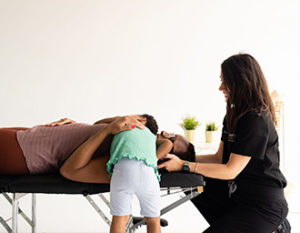
At HealthPro Chiropractic, we specialize in providing a range of chiropractic and holistic healthcare services for prenatal and postpartum women as well as infants and children. Some of our services include general chiropractic adjustments, acupuncture, craniosacral therapy, myofascial release, nutritional guidance, and exercise counseling.
Our team is led by Dr. Alayna Pagnani-Gendron, who is considered one of the best providers of craniosacral therapy in Houston, TX. We take pride in providing personalized care and a gentle, holistic approach to healing.
If you’re looking for or considering Craniosacral Therapy, contact us at (281) 506-0105 or schedule an appointment online. One of our specialists will get in touch with you as soon as possible.
Craniosacral Therapy FAQ
How much does craniosacral therapy cost?
The cost of craniosacral therapy varies depending on location, session length, and practitioner. Generally, though, sessions can cost between $120 and $170
How many sessions of craniosacral therapy do most people need?
People suffering from chronic pain typically need 3 to 10 sessions of CST to notice meaningful improvements. However, some people find relief after just 1 to 2 sessions.
The number of sessions depends on the person’s condition, overall health, and how their body responds to the therapy.
Is craniosacral therapy covered by insurance?
Craniosacral therapy isn’t generally covered by insurance. However, HealthPro Chiropractic offers Out-of-Network Benefits. We’re happy to print you a Superbill, which you can then send to your insurance company to check if they can reimburse you.
How often should you have craniosacral therapy?
The number of times you should have CST depends on your needs and the condition being treated.
If you’re doing CST for relaxation and stress relief, for example, once a week may be sufficient. For more serious or chronic conditions, practitioners may initially recommend sessions two or three times a week, then gradually reduce the session frequency as symptoms improve.
Who can provide craniosacral therapy?
Craniosacral therapy is typically provided by a practitioner trained in chiropractic, massage therapy, physical therapy, or a doctor of osteopathic medicine.
Recent Comments